Starting School: A Guide to School Readiness for Families
Is your child starting school next year? Wondering if they are ready for kindergarten?
Starting school is a big milestone for children and their families. It is completely normal to wonder whether your child has the skills they need and what you should be practicing at home.
The good news is that school readiness is about so much more than knowing letters and numbers.
We believe children are capable and competent learners. Preparing for school is about building children’s confidence, independence, communication, social skills and emotional wellbeing so they feel ready to participate in a new environment.
Most importantly, there is no checklist that determines whether a child is “ready” for school. Every child develops at their own pace, and children will continue developing these skills throughout their school journey.
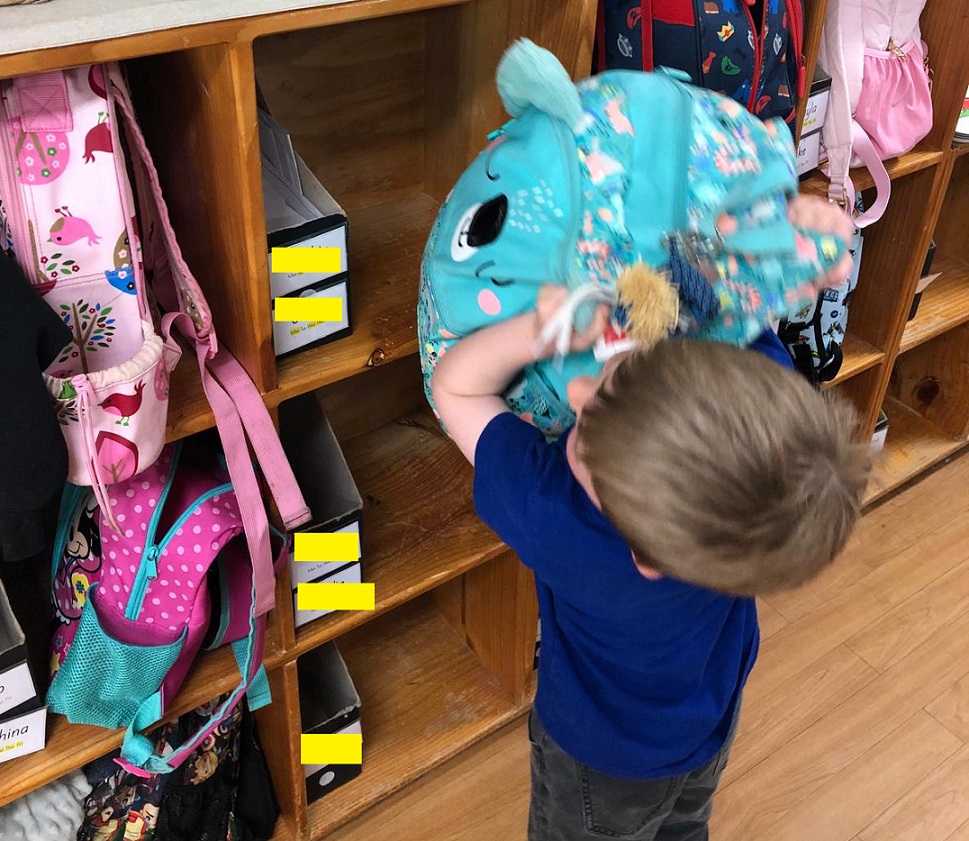
Encouraging independence, Children are capable to manage their belongings
What Skills Support a Positive Transition to School?
There are many skills that can help children feel confident when they start school.
Independence and Self-Help Skills
School provides children with many opportunities to do things for themselves. Before starting school, it is helpful for children to have opportunities to practice:
- Going to the toilet independently including washing and drying their hands
- Taking off and putting on their jumper or jacket
- Managing their belongings
- Completing a task and helping to tidy up afterwards
These everyday skills build independence, confidence and self-esteem.
Rather than stepping in straight away, give your child time to have a go. If something is tricky, encourage them to try first and then offer support when needed.
“Have a go” is one of the most valuable messages we can give children.
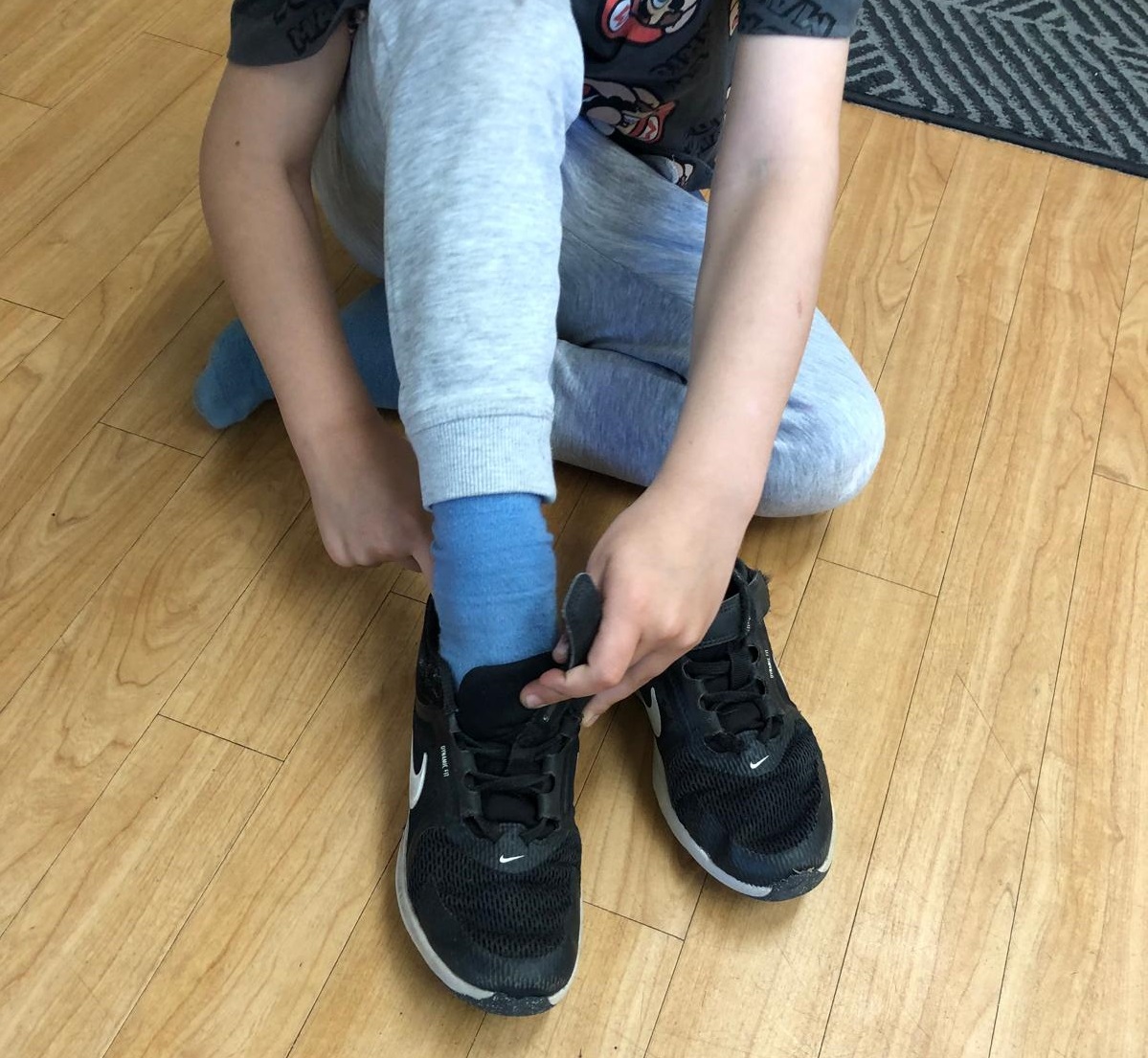
Encouraging children to put on their shoes
Social and Emotional Skills Matter
One of the most important parts of school readiness is developing social and emotional skills.
At school, children will be part of a larger group where they need to share resources, take turns, listen to others, follow routines and build relationships.
Children benefit from opportunities to practice:
- Sharing and taking turns
- Following simple instructions and daily routines
- Listening while others are speaking
- Sharing an adult’s attention with other children
- Managing small frustrations and disappointments
- Beginning to solve problems with others
These skills develop naturally through play and relationships. Playing games, negotiating with siblings, building together and working through disagreements are all valuable school readiness experiences.
Children don’t need to manage every big emotion independently before starting school. They need supportive adults who can co-regulate, acknowledge their feelings and help them develop strategies over time.
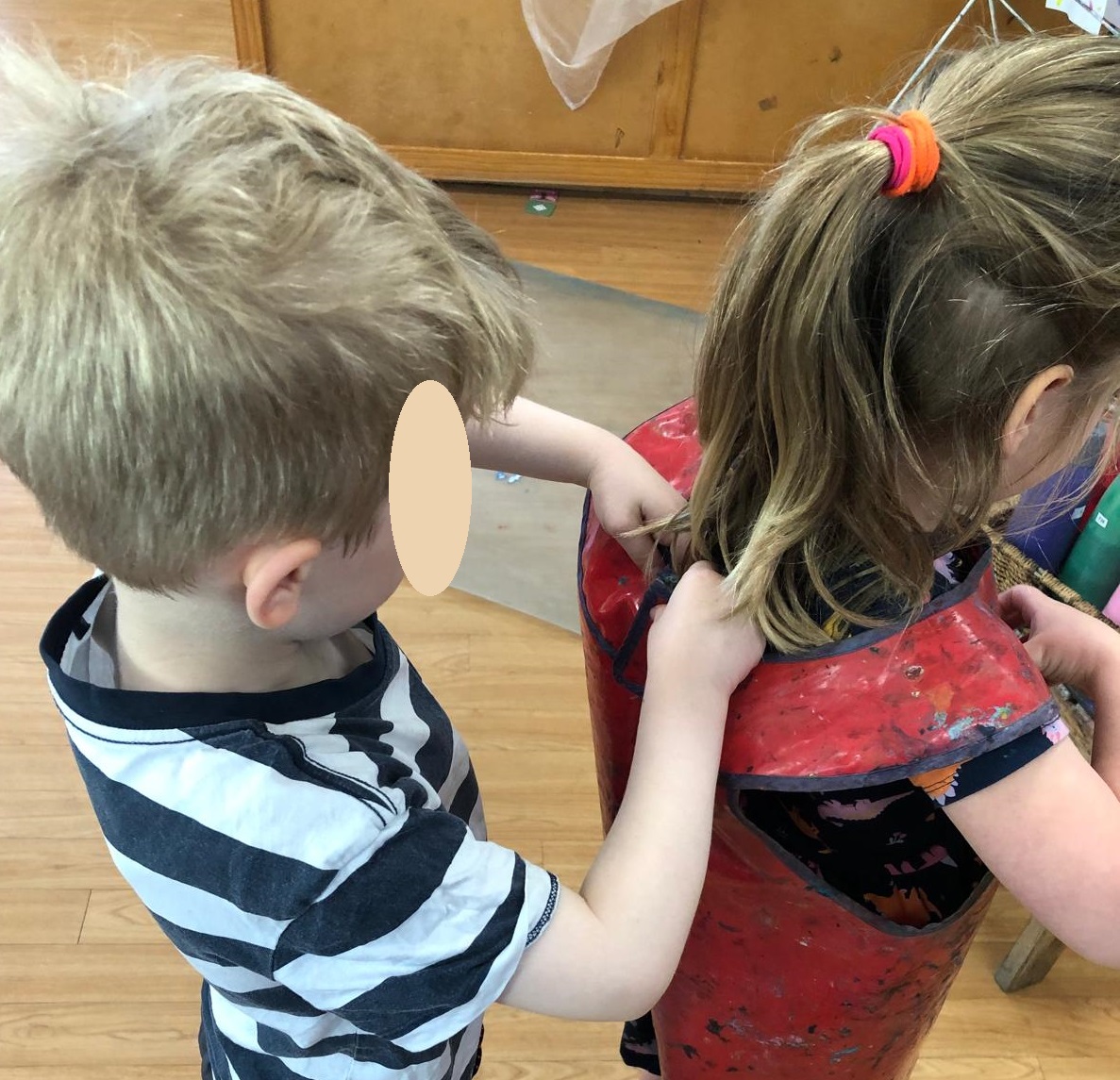
Supporting capable and competent learners with developing skills for life
Communication and Early Literacy
Being able to communicate with teachers and other children is another important part of transitioning to school.
Children benefit from being able to:
- Recognise their first and last name
- Talk about things that have happened to them or recall a story in sequence
- Ask for help when they need it
- Talk about favourite books and stories
- Describe characters and events
Reading together is one of the easiest ways to support school readiness.
Talk about the story, ask what happened first and next, discuss the characters and encourage your child to share their ideas.
You can also encourage children to recognise and experiment with writing their name, draw pictures, sing songs and nursery rhymes, and notice letters and numbers in their everyday environment.
Remember, the goal isn’t perfect handwriting or advanced reading skills. It is about developing confidence, curiosity and a positive relationship with learning.
Developing Fine Motor Skills
Children will use pencils, crayons, scissors, glue and other materials regularly at school.
You can support fine motor development through everyday play and creative experiences such as:
- Drawing and colouring
- Cutting with scissors
- Painting
- Playdough
- Puzzles
- Lego and construction
- Threading and other small-motor activities
These experiences help develop the strength, coordination and control children need for many classroom activities.
And remember — play is learning. Children don’t need worksheets to prepare for school.
Lunch Box Practice
Lunch can be a surprisingly big part of the school day!
Before starting school, give your child plenty of opportunities to practice using the lunch box and containers they will take with them.
Encourage them to practice opening and closing their:
- Lunch box
- Containers
- Packets
- Drink bottle
They can also practcse packing everything back into their bag when they have finished.
If something is difficult, encourage your child to ask for help rather than expecting them to manage everything independently.
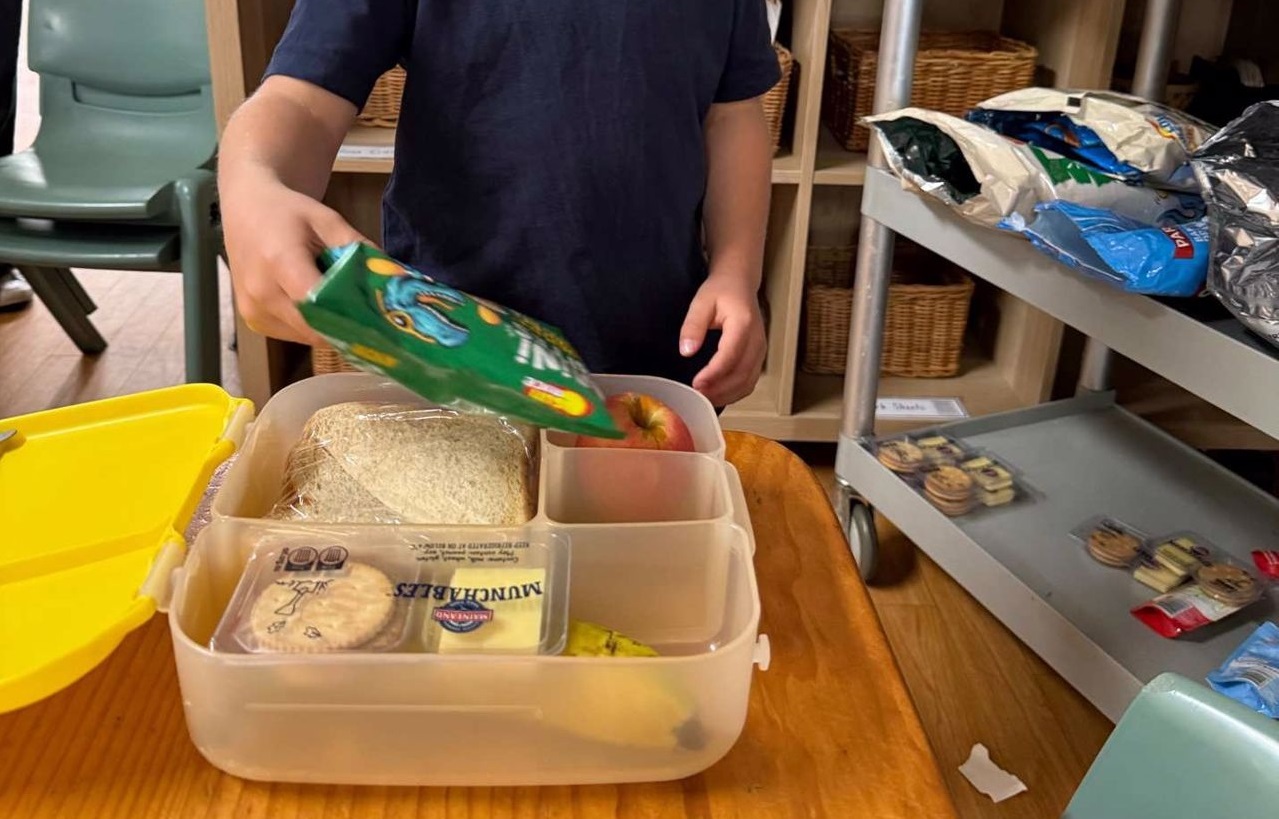
Lunch box practice is part of preparing for school
The Most Important Skill: “I Can Have a Go”
When we think about school readiness, it can be easy to focus on what children can’t do yet.
Instead, let’s focus on what they can do and what they are learning to do.
At Learn and Laugh, we view children as capable and competent. We want children to develop the confidence to try, make mistakes, problem-solve and try again.
We can support this by giving children genuine opportunities to be independent:
“Would you like to have a go?”
“Do you need a little bit of help?”
“What do you think we could do?”
These small interactions help children develop confidence, resilience, independence and self-efficacy.
School Readiness Is Not a Checklist
It is important to remember that these skills are a guide, not a pass-or-fail test for starting school.
Some children will confidently write their name before kindergarten. Others won’t.
Some children will open every lunch box independently. Others will need help.
Some children will sit through an entire story, while others are still developing their attention and listening skills.
That’s okay.
School readiness is about the whole child — their social development, emotional wellbeing, communication, independence, physical development, relationships and emerging learning skills.
Your child does not need to have mastered everything before they start school.
Preparing for School Through Everyday Life
The best school readiness activities don’t necessarily look like school.
They look like:
Reading a story.
Getting dressed.
Opening a lunch box.
Helping to tidy up.
Playing a game.
Negotiating with a sibling.
Drawing and creating.
Asking questions.
Trying something difficult.
These everyday experiences help children develop the skills and confidence they need for a positive transition to school.
And above all, remember:
Starting school isn’t about having everything figured out. It’s about being ready to keep learning.
When children see themselves as capable, competent and confident learners, they have a strong foundation for the exciting journey ahead.
Written by Samantha Cairns
Director of Learn and Laugh Hornsby
For more quality content on early learning and education go to our blog page