More Than Just a Beautiful Classroom –
What Being Reggio-Emilia-Inspired Means to Us
When people hear the words Reggio Emilia, they often think of beautiful classrooms, natural resources and inviting learning spaces. While these are all important, being Reggio Emilia inspired is so much more than what you see when you walk through the door.
At Learn & Laugh, the Reggio Emilia approach influences the way we view children, plan our curriculum and create learning environments. At the heart of this philosophy is the belief that every child is capable, curious and full of potential. We believe children don’t all learn in the same way, and that’s something worth celebrating.
One of the foundations of the Reggio Emilia philosophy is the 100 Languages of Children. This recognises that children express themselves and make sense of the world in many different ways. Some children communicate through painting, building, music, dramatic play, drawing, movement or storytelling, while others express their ideas through construction, conversation or exploration. As educators, our role is to recognise these different ways of learning and create opportunities for every child to express themselves in ways that feel meaningful to them.
We asked some of our educators what the 100 Languages of Children means to them…
“Recognise the child’s unique way of communicating and expressing themselves.”
Anushka – Senior Room Leader“Children communicate in many different ways, both verbally and non-verbally through play. The 100 Languages of Children reminds us that children share their ideas, theories and understanding of the world through art, music, movement, construction, dramatic play and so much more.”
Cassandra – Nursery Room Leader“Every child has different interests, strengths and ways of learning. It’s our role to observe, listen and create environments that support each child to express themselves and continue their individual learning journey.”
NJ – Educator
The Environment as the Third Teacher
One of the principles that guides us every day is the belief that the environment is the third teacher.
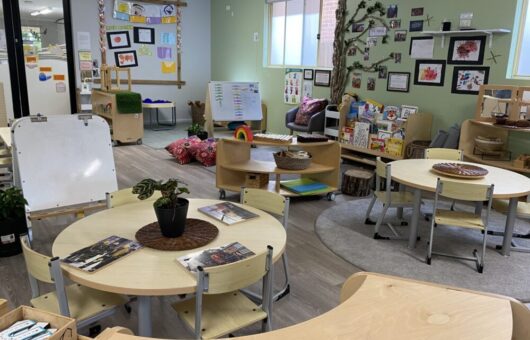
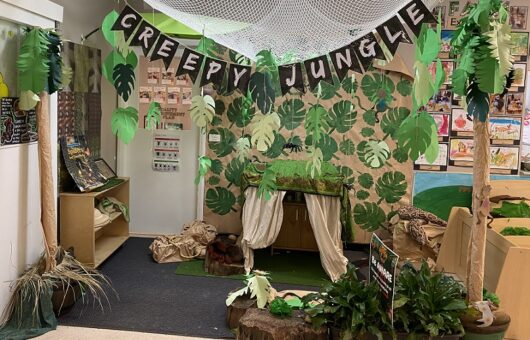
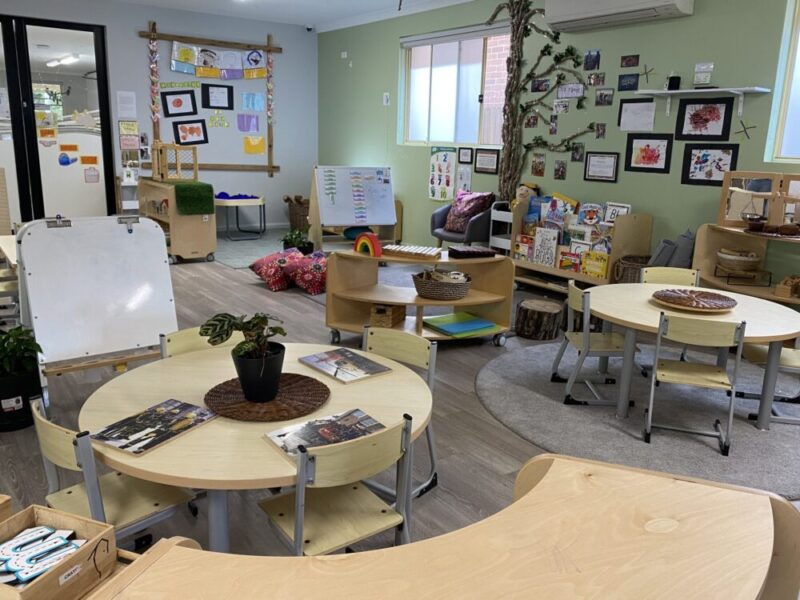
When you walk into one of our learning spaces, every area has been thoughtfully planned with purpose. From carefully designed provocations and inviting creative spaces to natural materials and open-ended resources, our environment encourages children to explore, investigate and ask questions.
We believe the environment should spark curiosity and inspire learning. Rather than directing children’s play, we create spaces that invite them to make choices, solve problems, test ideas and use their imagination. Sometimes the simplest setup can lead to the biggest discoveries.

Our Curriculum Begins with the Children
At Learn & Laugh, our curriculum doesn’t begin with a checklist of activities it begins with the children.
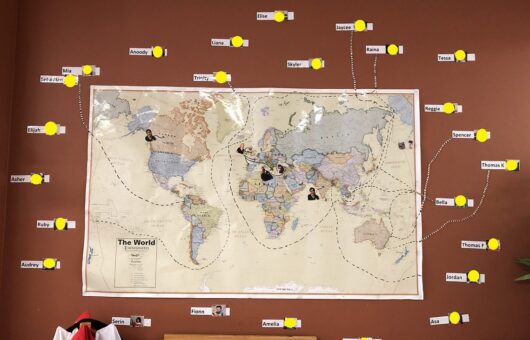
Each room begins by exploring a classroom project based on a shared interest or curiosity that has emerged from the children. This may come from their conversations, questions, observations, play or experiences. Rather than planning a week’s worth of activities and moving on, we allow these interests to guide the direction of our curriculum and grow into meaningful long-term projects.
As children engage with these projects, we carefully observe how they explore, investigate and express their learning within the environment. Every child approaches learning differently, and through ongoing observation we begin to see their individual interests, strengths and preferred ways of communicating. Some children may express their thinking through dramatic play, others through painting, construction, movement, storytelling, music or scientific exploration. By recognising these many ways of learning, we embrace the 100 Languages of Children and take a holistic approach to supporting every child’s individual learning journey.
Our planning is an ongoing cycle of observing, reflecting, setting goals, planning experiences and observing again. This allows us to extend children’s ideas rather than simply moving from one activity to the next. Our curriculum grows alongside the children, creating meaningful learning that is responsive, intentional and unique to each group.
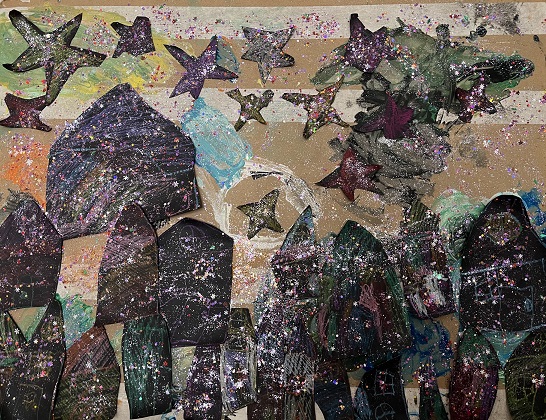
Starry starry night inspired art work
Making Learning Visible Through Documentation
One of the first things families often notice when they visit our centres is the documentation displayed throughout our learning environments.
These displays are much more than photos on a wall.
Documentation captures children’s thinking, conversations, ideas, questions and discoveries as they happen. It allows educators, children and families to revisit learning together, celebrate the journey and reflect on how children’s thinking has developed over time.
You might see children’s theories written alongside photos of an investigation, artwork that has evolved over several weeks or conversations that have inspired an entire classroom project. This documentation tells the story of children’s learning while helping educators reflect on where learning has been and where it might go next.
It also gives children the opportunity to revisit their own learning, build on previous ideas and continue exploring concepts over time. For families, documentation provides a deeper understanding of what their child is learning each day. Behind every painting, block construction or dramatic play experience are important skills such as problem solving, creativity, communication, collaboration and critical thinking.
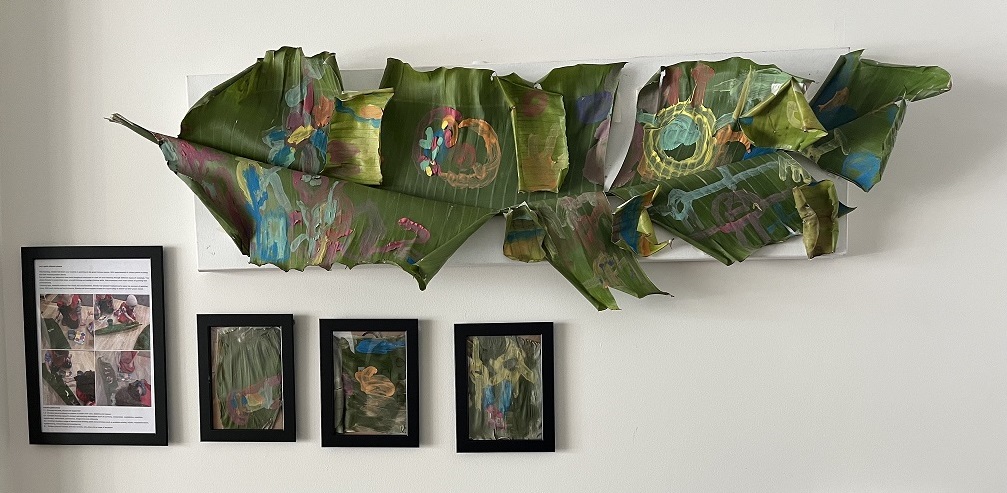
Example of documenting the process creating this art piece
More Than just an Approach
For us, being Reggio Emilia inspired isn’t about having beautiful resources or perfectly styled classrooms. It’s about creating environments where children feel a sense of belonging, where their ideas are valued and where learning is driven by curiosity.
Every question asked, every idea shared and every discovery made helps shape our curriculum. We believe children learn best when they are listened to, encouraged to wonder and given the time and space to explore.
At Learn & Laugh, we don’t just plan for children we learn alongside them. Being Reggio Emilia inspired isn’t simply something we do, it’s the way we think, the way we listen and the way we celebrate every child’s unique learning journey.
Written by Alice Thew Educational Leader – Learn & Laugh Five Dock- visit our centre page to inquire now